Choosing In Between Assisted Living and Memory Care: A Practical Guide to Senior Care
Business Name: BeeHive Homes of Frisco
Address: 2660 Timber Ridge Dr, Frisco, TX 75034
Phone: (469) 353-8232
BeeHive Homes of Frisco
Residential Assisted Living and Memory Care homes with compassion, core values, and care.
2660 Timber Ridge Dr, Frisco, TX 75034
Business Hours
Deciding where an older adult must live when independence starts to subside is among the hardest options families face. The choice is seldom almost physicals. It touches identity, security, money, household dynamics, and a lifetime of practices. When memory issues get in the picture, the stakes increase even further.
Assisted living and memory care both sit under the broad umbrella of senior care, yet they serve various requirements and presume different levels of threat. As somebody who has walked families through these discussions, I have actually seen outstanding outcomes and some unpleasant errors. The difference frequently boils down to timing, clear-eyed assessment, and truthful conversations.
This guide unpacks how assisted living and memory care differ in practice, who prospers where, and how to make a decision you can live with, even if it is not perfect.
How Assisted Living Fits Into the Senior Care Landscape
Assisted living was initially developed for older adults who do not need a nursing home, but can not or must not live totally by themselves. The model focuses on real estate plus aid with day-to-day activities, layered with social chances and some basic health monitoring.
Residents usually have their own apartment or condo or suite, with a private restroom and a little kitchen space. Staff support normally consists of aid with bathing, dressing, grooming, medication reminders or administration, and sometimes escorts to meals or activities. Meals, housekeeping, and transport are typically bundled into the monthly fee.
In lots of neighborhoods, assisted living works well for older adults who:

- Can communicate their requirements, choices, and discomfort reliably
- Are mainly stable on their feet, with or without a walker
- Can follow basic security directions, like using a call button or awaiting support to transfer
- Have mild forgetfulness but no major behavioral modifications or wandering
Assisted living can be an exceptional alternative to staying at home with an overstretched household or unreliable outdoors assistance. It can also extend self-reliance. A resident might use a walker securely, eat regular meals with peers, and get timely medication, which can avoid falls and hospitalizations.
The obstacle occurs when memory changes exceed the environment. Assisted living structures are typically not locked. Doors may have alarms, however citizens can still walk out. Activities are not always tailored to cognitive problems. Personnel ratios are built around homeowners who can usually handle themselves in between scheduled tasks. That is where memory care comes in.
What Makes Memory Care Different
Memory care is a specific kind of elderly look after people dealing with dementia, including Alzheimer's illness, vascular dementia, Lewy body dementia, and other cognitive conditions. Some neighborhoods are standalone memory care centers, while others are separate, secured wings within a bigger assisted living building.
What distinguishes memory care is not only locked doors, but a different approach of care. The goal shifts from supporting partial independence to actively managing risk, structure, and sensory input for somebody whose brain can no longer reliably analyze the world.
In well run memory care units, you generally see:
- Secured doors and confined outside areas to prevent unsafe roaming
- Higher staff to resident ratios compared with standard assisted living
- Staff trained in dementia communication, redirection, and behavioral techniques
- Simplified physical layouts to lower confusion, with clear hints and landmarks
Schedules tend to be more structured. Meals occur at the exact same time, in the same place, with consistent staff. Activities are much shorter, recurring, and built around preserved capabilities rather than new knowing. Lighting, sound levels, and visual clutter get more attention because sensory overload can trigger anxiety or hostility in dementia.
An individual who repeatedly leaves the range on in your home, gets lost on familiar routes, mismanages medications, or misunderstands easy instructions is generally more secure in memory care than in a conventional assisted living setting. The environment is not only more secure for the resident, but likewise for other homeowners and personnel, especially when behaviors like nighttime roaming, exit seeking, or aggression appear.
Assisted Living vs Memory Care: The Practical Differences
On paper, the distinctions between assisted living and memory care can look almost abstract. In practice, they show up in small everyday moments: who notifications that dad did not eat lunch, who redirects mom when she is trying to go "home" at midnight, who handles medications when there is suspicion or paranoia.
Here is a focused comparison of typical functions households inquire about:
|Aspect|Assisted Living|Memory Care||-- |-- BeeHive Homes of Frisco best assisted living frisco tx |--|| Main purpose|Assistance with daily jobs and socialization for fairly independent senior citizens|Protect, structured environment and customized assistance for individuals with dementia|| Safety features|Unlocked primary doors, call systems, some alarms|Secured doors, confined outside spaces, alarmed exits, wander management|| Personnel training|General senior care, standard dementia exposure|Focused dementia training, communication and habits management skills|| Staff to resident ratio|Lower, based on homeowners requiring periodic aid|Greater, recognizing regular cueing, monitoring, and behavior support|| Daily structure|More versatile, option driven|More routine driven, foreseeable, and simplified|| Cost|Usually lower|Normally higher due to staffing and security requires|
These are broad patterns, not rigid rules. Some upscale assisted living communities have strong dementia shows and staffing, while some spending plan memory care systems operate closer to standard custodial care. Visiting specific buildings, observing, and asking tough concerns exposes more than any label.
Behavioral and Cognitive Hints That Memory Care May Be Safer
Families often wait too long to move a loved one from assisted living to memory care, often out of love, in some cases out of rejection. Residents might state, "I'm not insane, I'm not going behind locked doors." Adult kids do not want to be the bad guy. The outcome can be a hazardous "middle zone" where needs have actually outgrown the present setting.
Certain patterns ought to trigger a major take a look at memory care, even if the individual has actually not received an official dementia medical diagnosis yet.
Repeated roaming or exit seeking is a major warning sign. In one case I remember, a gentleman in assisted living left the building 3 times in a month, looking for his childhood home. Personnel found him rapidly each time, but the community was not protected. The household hoped to postpone memory care due to the fact that "he has excellent days." Good days do not cancel out the danger on bad days. Memory care substantially reduced his elopement threat and his anxiety.
Escalating behaviors around sundown, sometimes called "sundowning," can likewise extend assisted living beyond its capacity. Citizens may pace, shout, decline care, or implicate personnel of stealing. Assisted living personnel may not have sufficient time or dementia-specific training to step in early and effectively, particularly during hectic night hours.
Care refusals or misunderstanding fundamental care tasks can likewise signal that the individual no longer fits a primarily independent model. If staff must encourage, re-approach, and artistically reframe every shower or dressing effort, that work is far more in line with memory care staffing models.
Finally, recurrent falls and bad safety awareness are major, even if injuries are small. A person who stands without locking their wheelchair, leans on an unstable surface area, or forgets to use assistive devices might do much better where staff anticipate, and proactively address, such habits all the time long.
When Assisted Living Is Still the Right Tier of Support
Not everyone with a memory medical diagnosis should transfer to memory care right away. Moderate cognitive disability, and even early dementia, can be manageable in assisted living if the environment and supports are right.
Assisted living might still be suitable when:
The individual can dependably use a call button and accept wait times of a number of minutes for personnel action. Someone who impulsively gets up alone each time they require the bathroom, even after teaching and reminders, might be better protected in memory care.
They keep in mind and browse familiar areas. Getting a little turned around in a brand-new corridor is one thing. Repeatedly getting lost between their own house and the dining room, or getting in other locals' rooms, recommends a greater level of supervision is warranted.
They can safely take part in group activities without ending up being overloaded or distressed. If a resident delights in bingo, exercise class, or chapel, even with some triggers, assisted living can support that engagement. If groups set off paranoia, agitation, or roaming, tailored memory care activities may work better.
Their habits do not regularly hinder others' safety or wellness. Periodic confusion is normal. Regular shouting, striking, sexually disinhibited habits, or loudly accusing others can make a shared living environment untenable without the structure of memory care.
One crucial nuance: some assisted living communities now offer "improved assisted living" or "early memory assistance" programs. These can bridge the space, postponing or preventing a relocate to a totally protected unit. The quality of such programs varies widely, so visit, speak to present households, and observe both day and night shifts before counting on them.
Costs, Agreements, and Hidden Financial Pressures
Money rarely drives the conversation at the very beginning, however it typically winds up forming what is possible. Assisted living is typically cheaper than memory care, however the gap can narrow when you include on higher care levels inside assisted living.
Many assisted living neighborhoods utilize a tiered pricing system. The base rate covers space, board, and very little support. Extra costs apply for medication management, incontinence care, escorts to meals, frequent transfers, and so on. As needs increase, monthly costs approach, sometimes going beyond entry level memory care in the same building.

Memory care, by contrast, typically uses more bundled prices. The base rate incorporates a greater staffing level, secured environment, and detailed help with a lot of everyday activities. Families might encounter fewer surprise add-ons, though there can still be additional charges for one-to-one supervision, medical supplies, or specialized equipment.
It is wise to study the admission contract carefully. Pay specific attention to:
- How the neighborhood defines "expensive a care need" for assisted living and what activates a mandatory relocate to memory care or discharge.
- How rate increases are handled, both annual changes and modifications when the care level bumps up.
- What takes place if a resident's money goes out. Some nonprofit communities enable residents to stay after private funds diminish, using internal altruism funds or Medicaid. Others need discharge.
Families in some cases prepare based on finest case situations: "If mom stays in assisted living at this rate, her cost savings will last eight years." That works till she needs two person support for transfers, incontinence care, and continuous cueing. Then the rate structure can change dramatically.
Working with a monetary organizer who understands long term senior care expenses can assist align expectations with truth. Long term care insurance, if available, may compensate in a different way for assisted living versus memory care, so accurate documentation and facility licensing status both matter.
Using Respite Care to "Check Drive" a Setting
Respite care is a brief remain in a senior living neighborhood, typically ranging from a couple of days to a couple of weeks. Some families use respite when a primary caretaker needs surgical treatment or travel. Others use it strategically, as a method to see how a parent carries out in assisted living or memory care before devoting to a long-term move.
For somebody with moderate dementia, a respite remain in memory care can respond to a number of practical questions:
Do they settle better with a structured routine than in your home? If nighttime wandering, recurring call, and avoided meals reduce throughout respite, that works information.
How do they react to group activities and a brand-new environment? Some individuals flourish with peers and purposeful tasks like folding towels, watering plants, or singing familiar songs. Others become more agitated. Personnel observations during a 2 to 4 week stay can supply richer information than a one hour tour.
What level of hands-on help do they truly require? Households typically underestimate or overestimate the burden they have actually been carrying. During respite, staff track how many hints, prompts, and physical assists are needed for toileting, bathing, dressing, and medications. This details assists figure out whether assisted living can realistically satisfy those needs.
Respite care can likewise lower the psychological shock of a relocation. The story ends up being, "You are going for a short stay while we fix your house/ while I recuperate," rather of, "You are leaving home forever today." Even if the respite transitions into a permanent move, numerous homeowners change better after that steady introduction.
Key Questions To Ask When Visiting Communities
A polished building and warm sales pitch do not ensure strong dementia care. When you tour assisted living or memory care units, you find out more by concentrating on staffing, routines, and how personnel interact with locals than by appreciating the décor.
Here is a succinct checklist to carry in your pocket:
- How lots of residents does each direct care employee cover on days, evenings, and nights, and what is the normal mix of requirements?
- How are personnel trained and revitalized on dementia communication, de-escalation, and non-drug habits management?
- When a resident becomes upset or tries to leave, what is the basic procedure from the first minute to resolution?
- How does the community manage residents who are awake and roaming in the evening? Exists purposeful engagement or simply redirection to bed?
- Can the community look after locals who require 2 individual help, are incontinent, or develop swallowing problems, and where is the line that triggers discharge?
Ask to visit throughout mealtime and early night, not just mid-morning when most trips occur. View whether personnel speak with residents respectfully, utilize names, and make eye contact. Notice whether citizens look groomed and unwinded or distressed and idle. Listen for alarms that ring constantly without response. These little observations typically tell the truest story.
Balancing Security, Dignity, and Identity
Families often frame the choice as self-reliance versus safety. That is too narrow. A much better lens thinks about safety, self-respect, and identity together.
An older adult with substantial memory problems may insist, "I am fine alone." That declaration reflects their identity: skilled, independent, knowledgeable. Yet their actual operating may involve unsettled neighbors, adult kids, and emergency situation responders continuously covering holes in a system that no longer works.
In my experience, a great assisted living or memory care setting can preserve dignity better than a precarious home setup that collapses into crisis. Being discovered by cops wandering a number of miles from home, dehydrated and frightened, wounds self-respect far more than living in a community where doors lock for everybody's protection.
Still, environment matters. Memory care units that deal with grownups like toddlers, with infantilizing design and sing-song voices, strip identity. Strong programs look for who the resident utilized to be. They incorporate old hobbies into the day. They utilize life story boards, old photographs, and familiar music. They find ways for homeowners to contribute, not just receive care.
As you decide between assisted living and memory care, keep asking: In which environment is this person most likely to feel like themselves, within the limitations of the disease? The answer may change with time. What fits in January might not fit next year as dementia progresses. Planning for that evolution decreases future panic.
Timing the Move: Earlier Than You Think
Families often wish to maintain a loved one at home or in standard assisted living "as long as possible." The expression sounds thoughtful, yet it often hides two unspoken presumptions: that staying put equals joy, and that a move equates to failure. Neither is necessarily true.
People with dementia tend to adjust much better to brand-new environments earlier in the disease, when they can still form some brand-new associations and acknowledge patterns. They can discover which face comes from which aide, which corridor causes the dining-room, which chair is "theirs." Waiting up until confusion is extensive can make every change seem like a fresh threat.
Caregivers likewise stress out quietly. A spouse in their late 70s might report that things are "manageable" while secretly monitoring their partner every night, cueing every job, and never leaving the house for more than an hour. Adult children may handle tasks and kids while fielding dozens of daily telephone call, incorrect alarms, and crises. Moving earlier to assisted living or memory care can protect the caregiver's health, not simply the person with dementia.
As a guideline, when safety issues, caregiver fatigue, or unmanaged behaviors are present most days of the week, it is time to plan a shift. This does not suggest roughly uprooting someone overnight, however it does indicate moving from "perhaps one day" to particular trips, financial planning, and potentially respite care as a bridge.
Pulling It Together: Deciding You Can Live With
No senior care option is perfect. Assisted living and memory care both involve trade-offs in privacy, control, cash, and psychological convenience. Households often await a mythical minute when everybody agrees, the resident is smiling, and the financial resources line up perfectly. That moment seldom arrives.
What you can aim for is a choice that is thoughtful, informed, and truthful about limits. Clarify what you are focusing on. If avoiding roaming and nighttime emergency situations is critical, memory care might be worth the higher expense and the emotional hurdle of protected doors. If socializing, light support, and versatility matter most, assisted living may be the better first step, with an eye towards ultimate memory care.
Keep revisiting the choice with time. Dementia is not static, and neither are the capacities of household caregivers. A setting that fits at age 82 may not be safe at 86. Enabling yourself to change the strategy is not a betrayal. It is responsive, responsible elderly care.
Above all, remember that the relocation itself is not the sum total of your relationship with your loved one. Your function changes, but it does not disappear. You are still the historian, supporter, and psychological anchor. Whether they reside in assisted living or memory care, your existence, perseverance, and desire to see the individual beneath the illness remain the most crucial constants in their senior care journey.
BeeHive Homes of Frisco provides assisted living care
BeeHive Homes of Frisco provides memory care services
BeeHive Homes of Frisco provides respite care services
BeeHive Homes of Frisco supports assistance with bathing and grooming
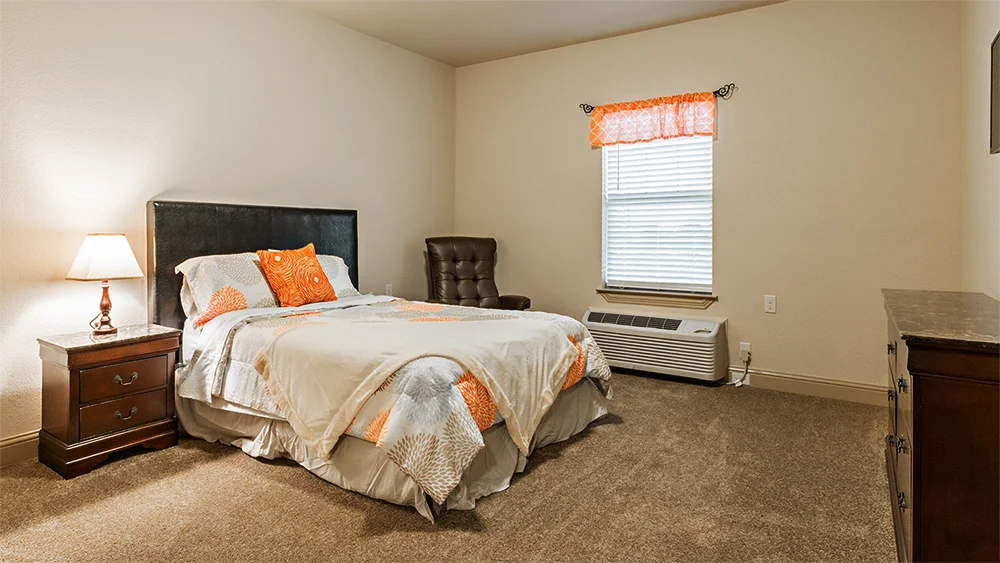
BeeHive Homes of Frisco offers private bedrooms with private bathrooms
BeeHive Homes of Frisco provides medication monitoring and documentation
BeeHive Homes of Frisco serves dietitian-approved meals
BeeHive Homes of Frisco provides housekeeping services
BeeHive Homes of Frisco provides laundry services
BeeHive Homes of Frisco offers community dining and social engagement activities
BeeHive Homes of Frisco features life enrichment activities
BeeHive Homes of Frisco supports personal care assistance during meals and daily routines
BeeHive Homes of Frisco promotes frequent physical and mental exercise opportunities
BeeHive Homes of Frisco provides a home-like residential environment
BeeHive Homes of Frisco creates customized care plans as residents’ needs change
BeeHive Homes of Frisco assesses individual resident care needs
BeeHive Homes of Frisco accepts private pay and long-term care insurance
BeeHive Homes of Frisco assists qualified veterans with Aid and Attendance benefits
BeeHive Homes of Frisco encourages meaningful resident-to-staff relationships
BeeHive Homes of Frisco delivers compassionate, attentive senior care focused on dignity and comfort
BeeHive Homes of Frisco has a phone number of (469) 353-8232
BeeHive Homes of Frisco has an address of 2660 Timber Ridge Dr, Frisco, TX 75034
BeeHive Homes of Frisco has a website https://beehivehomes.com/locations/beehive-homes-frisco/
BeeHive Homes of Frisco has Google Maps listing https://maps.app.goo.gl/HWUAPNmeBuFCmgFdA
BeeHive Homes of Frisco has Facebook page https://www.facebook.com/BeeHive.Frisco.McKinney/
BeeHive Homes of Frisco has an Instagram account at Instagram
BeeHive Homes of Frisco won Top Assisted Living Homes 2026
BeeHive Homes of Frisco earned Best Customer Service Award 2025
BeeHive Homes of Frisco placed 1st for Texas Senior Living Communities 2025
People Also Ask about BeeHive Homes of Frisco
What is BeeHive Homes of Frisco Living monthly room rate?
The rate depends on the level of care that is needed. We do an initial evaluation for each potential resident to determine the level of care needed. The monthly rate is based on this evaluation. There are no hidden costs or fees
Can residents stay in BeeHive Homes of Frisco until the end of their life?
Usually yes. There are exceptions, such as when there are safety issues with the resident, or they need 24 hour skilled nursing services
Do we have a nurse on staff?
No, but each BeeHive Home has a consulting Nurse available on demand. The High Acuity building will have an RN on call 24x7. In some cases the residents can be assessed for Home Health and Hospice needs and if approved can get a higher level of nursing care
What are BeeHive Homes of Frisco's visiting hours?
Visiting hours are adjusted to accommodate the families and the resident’s needs… just not too early or too late
Do we have couple’s rooms available?
Yes. Our Memory care building have double occupancy room which can be shared by couples. In our assisted living the side - by - side rooms can be taken by couples. Please ask about the availability of these rooms
Where is BeeHive Homes of Frisco located?
BeeHive Homes of Frisco is conveniently located at 2660 Timber Ridge Dr, Frisco, TX 75034. You can easily find directions on Google Maps or call at (469) 353-8232 Monday through Sunday 7:00am to 7:00pm
How can I contact BeeHive Homes of Frisco?
You can contact BeeHive Homes of Frisco by phone at: (469) 353-8232, visit their website at https://beehivehomes.com/locations/beehive-homes-frisco/ or connect on social media via Instagram Facebook or YouTube
Conveniently located near BeeHive Homes of Frisco Cinemark Frisco a great movie theater with full food & drink menu. Catch a movie and enjoy some great food while you wait.